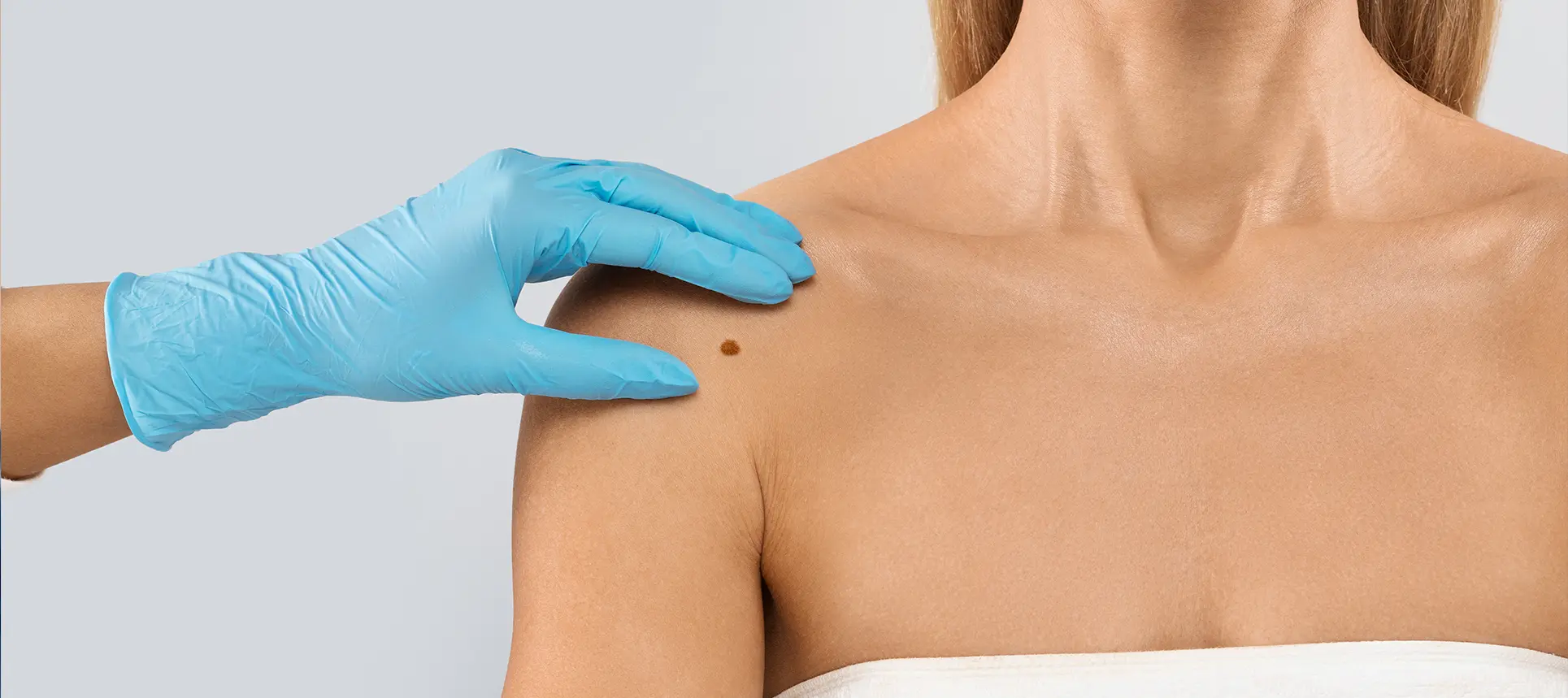
Understanding Skin Tag Removal in London and the Possibility of Scarring
Skin tags are small, soft growths that commonly appear on the neck, underarms, eyelids, chest, and other areas where the skin folds. They are usually harmless and do not cause pain. However, some people choose to remove them because they affect their appearance, become irritated by clothing, or catch on jewellery.
Although skin tag removal is generally a straightforward procedure, many people have questions about possible scars after treatment. They want to know whether the skin will return to its normal appearance, how long healing takes, and whether marks will remain.
Skin Tag Removal in London offers different treatment options depending on the size, location, and type of skin growth. Understanding the procedure and its aftercare can help patients prepare for treatment and make informed decisions.
At Bodyvie Clinic, patients can discuss their skin concerns and explore suitable removal options following a professional assessment. Knowing what to expect before and after treatment can also help reduce concerns about scarring.
Why Can Skin Tags Leave Scars After Removal?
Skin tag removal involves removing unwanted skin tissue. Depending on the technique used, the treated area may develop temporary redness, a small wound, or a light mark during healing.
Most small skin tags heal without noticeable scarring. However, the final appearance depends on several factors, including the removal method, skin type, treatment location, and individual healing response.
Understanding How Skin Heals After Skin Tag Removal
When a skin tag is removed, the body begins a natural healing process. The treated area may initially look red or slightly swollen.
A small scab may develop as the skin repairs itself. This is a normal part of healing and usually disappears naturally.
During the healing process, the body produces new skin tissue. The final appearance may take several weeks or longer to settle, depending on the size and depth of the treated area.
Factors That Increase the Risk of Skin Tag Removal Scars
Not every patient develops a visible scar. However, certain factors may increase the possibility of marks after removal.
- Size of the skin tag: Larger skin tags may leave a more noticeable healing area.
- Removal technique: Different procedures affect the surrounding skin differently.
- Skin type: Some people are more likely to develop raised or darker scars.
- Treatment location: Areas exposed to friction may take longer to heal.
- Aftercare habits: Scratching, picking, or irritating the wound can affect healing.
- Existing skin conditions: Certain skin conditions may influence the healing process.
At Bodyvie Clinic, a professional assessment can help determine the most suitable removal method according to the patient's skin condition.
What Are the Different Skin Tag Removal Methods in London?
Several medical procedures can be used to remove skin tags. The most appropriate option depends on the growth's size, location, appearance, and medical assessment.
Cryotherapy for Skin Tag Removal
Cryotherapy involves using extremely cold temperatures, usually through liquid nitrogen, to destroy the unwanted tissue.
The treated skin may develop a small blister or scab before healing. Temporary redness or changes in skin colour may also occur.
Cryotherapy is commonly considered for selected small skin tags, although more than one treatment may sometimes be required.
Cauterisation for Removing Skin Tags
Cauterisation uses controlled heat or electrical energy to remove unwanted tissue.
The procedure may be suitable for certain skin tags and is performed by a trained medical professional.
After treatment, the area may appear red and develop a small scab. Following proper aftercare is important to support healing and reduce irritation.
Surgical Excision for Larger Skin Tags
Surgical excision involves cutting away the skin tag using a sterile medical instrument. Local anaesthesia may be used to keep the procedure comfortable.
This method may be recommended for larger or selected skin growths. Depending on the size and depth of the removal, a small scar may remain.
The removed tissue may also be sent for laboratory examination when clinically indicated.
Ligation for Selected Skin Tags
Ligation involves placing a medical thread or band around the base of a skin tag to restrict its blood supply. The growth gradually dries and falls away.
This method is suitable only for selected skin tags and should be performed or recommended by an appropriately qualified professional.
Best Skin Tag Removal in London: Choosing the Right Treatment
Choosing the right removal method is important for achieving good healing and reducing the risk of unwanted marks.
Why Professional Assessment Matters for Best Skin Tag Removal in London
When looking for the Best Skin Tag Removal in London, patients should consider the qualifications of the treating professional, the clinic's hygiene standards, and the treatment options available.
A skin growth should be examined before removal because not every raised growth is a skin tag. Moles, warts, and other skin lesions can sometimes look similar.
A professional assessment helps identify the growth and determine whether removal is appropriate.
At Bodyvie Clinic, patients can discuss their concerns and receive guidance about suitable treatment options.
How to Select a Suitable Skin Tag Removal Clinic
Before choosing a clinic, patients should consider:
- The experience and qualifications of the treating professional.
- Whether the skin growth is properly assessed before treatment.
- The removal techniques available.
- Hygiene and safety standards.
- Possible side effects and scarring risks.
- Aftercare instructions and follow-up arrangements.
Patients should also ask whether the treatment is performed by a qualified medical professional and what steps are available if complications occur.
What Do Skin Tag Removal Scars Look Like After Treatment?
The appearance of the treated area can change as the skin heals. Some patients experience temporary redness, while others may notice a small flat mark.
Red or Pink Marks After Skin Tag Removal
A pink or red mark may appear after the skin tag has been removed. This is often part of the normal healing process.
The colour usually becomes less noticeable over time. However, healing speed varies between individuals.
Dark Marks and Post-Inflammatory Hyperpigmentation
Some patients develop darker marks after treatment. This is known as post-inflammatory hyperpigmentation.
It may be more noticeable in people with darker skin tones or those who develop pigmentation after skin irritation.
These marks can gradually fade, although improvement may take several months.
Raised Scars and Keloid Formation
Some people develop raised scars after skin injuries. Hypertrophic scars remain within the original wound area, while keloids can grow beyond the original injury.
People with a history of keloid formation should discuss this before having a skin tag removed.
The treating professional can assess the risks and explain whether a particular removal technique is appropriate.
How Long Does It Take for Skin Tag Removal Scars to Heal?
Healing time depends on the size of the treated area, the removal technique, and individual skin characteristics.
First Few Days After Skin Tag Removal
During the first few days, the treated area may be slightly red, swollen, or sensitive. A small scab may develop.
Patients should avoid touching or picking the area because this can interfere with normal healing.
One to Two Weeks After Treatment
Many small treatment sites begin to heal during this period. The scab may naturally fall away, revealing new skin underneath.
The area may still look pink or slightly darker than the surrounding skin.
Several Weeks After Skin Tag Removal
Over the following weeks, the treated skin usually continues to settle. Redness and discolouration may gradually become less noticeable.
Larger treatment areas can take longer to heal. Some pigmentation changes may remain for several months.
Patients should contact their medical professional if they experience increasing pain, spreading redness, warmth, pus, or fever.
How to Prevent or Reduce Skin Tag Removal Scars
Proper aftercare is important for supporting skin healing. Although scarring cannot always be prevented, certain habits can help reduce unnecessary irritation.
Keep the Treated Area Clean
Follow the cleaning instructions provided by the treating professional. Use only recommended products and avoid harsh cleansers around the healing area.
Keeping the treatment site clean can help reduce the risk of infection.
Avoid Picking Scabs or Scratching the Skin
A scab protects the healing skin underneath. Removing it too early may increase the risk of infection, delayed healing, and visible marks.
Allow the scab to fall away naturally.
Protect the Skin From Sun Exposure
Sun exposure can make post-treatment pigmentation darker and more noticeable.
Once the area has healed sufficiently, use broad-spectrum sunscreen with SPF 30 or higher when exposed to sunlight. Protective clothing can also help.
Use Recommended Skincare Products
Patients should avoid applying strong exfoliating products, retinoids, or irritating ingredients directly to an open wound.
Once the skin has healed, a medical professional may recommend suitable products depending on whether redness, dryness, or pigmentation remains.
Skin Tag Removal Cost in London: What Affects the Price?
The price of skin tag removal varies according to the procedure, number of skin tags, their size, and the clinic providing treatment.
Factors That Influence Skin Tag Removal Cost in London
The Skin Tag Removal cost in London may depend on several factors:
- Number of skin tags: Removing multiple growths may cost more than treating a single one.
- Size of the growth: Larger skin tags may require a different removal approach.
- Location: Sensitive areas, such as the eyelids, may require additional care.
- Removal technique: Cryotherapy, cauterisation, and surgical excision may have different prices.
- Professional assessment: Consultation and examination fees may be charged separately.
- Aftercare requirements: Follow-up appointments or additional treatments may influence the overall expense.
Patients should request a personalised quotation after assessment and confirm whether consultation, treatment, and follow-up care are included.
Understanding Treatment Pricing at Bodyvie Clinic
At Bodyvie Clinic, patients can discuss their skin concerns and ask about suitable removal options and associated costs.
It is important to understand what is included in the treatment plan rather than choosing a procedure based only on price. Professional assessment and appropriate aftercare are important parts of the process.
What Should You Expect Before and After Skin Tag Removal?
Knowing what happens before and after treatment can help patients feel more confident.
Before the Procedure
The medical professional examines the skin growth and checks whether it is suitable for removal.
Patients should mention any medical conditions, allergies, medications, previous scarring problems, and history of keloids.
The professional explains the recommended technique, possible side effects, and expected healing time.
During the Procedure
The treatment area is cleaned, and local anaesthesia may be used depending on the removal method.
The skin tag is then removed using the selected technique. Most simple procedures are relatively quick, although the time depends on the number and size of the growths.
After the Procedure
The treated area may need a small dressing or specific aftercare. Patients should follow the instructions provided and avoid unnecessary friction.
It is also important to attend follow-up appointments if recommended.
Who Is a Suitable Candidate for Skin Tag Removal?
People with skin tags that become irritated, catch on clothing, or cause cosmetic concerns may consider removal.
However, patients should first have the growth examined, particularly if it is changing in size, shape, or colour, bleeding, painful, or growing rapidly.
People with diabetes, healing difficulties, or a history of abnormal scarring should discuss their medical history before treatment.
A professional assessment helps determine whether removal is suitable and which procedure may be safest.
Conclusion: Understanding Scars After Skin Tag Removal in London
Skin tag removal is generally a straightforward procedure, but some temporary marks or scars may develop during healing. The final appearance depends on the removal technique, skin type, size of the growth, and aftercare habits.
Choosing suitable Skin Tag Removal in London treatment starts with a professional assessment and understanding the possible benefits and risks. Keeping the treated area clean, avoiding scratching, and protecting healed skin from sunlight can support better healing.
At Bodyvie Clinic, patients can discuss their skin concerns, explore suitable removal methods, and understand the expected recovery process. With appropriate treatment planning and aftercare, patients can work towards healthy-looking skin while reducing the risk of noticeable scarring.
Comments