Madagascar Travel Visa Guide for Slovenia Citizens
Madagascar tourist eVisa for Slovenia travelers allows Slovenian citizens to explore the island’s unique landscapes, wildlife, and cultural heritage with a simple online travel authorization. Through the Madagascar tourist eVisa for Slovenia travelers, visitors can plan short stays for tourism purposes, including sightseeing, nature exploration, and island adventures without needing a traditional embassy visa in advance. This makes travel preparation easier and more convenient for Slovenian tourists.
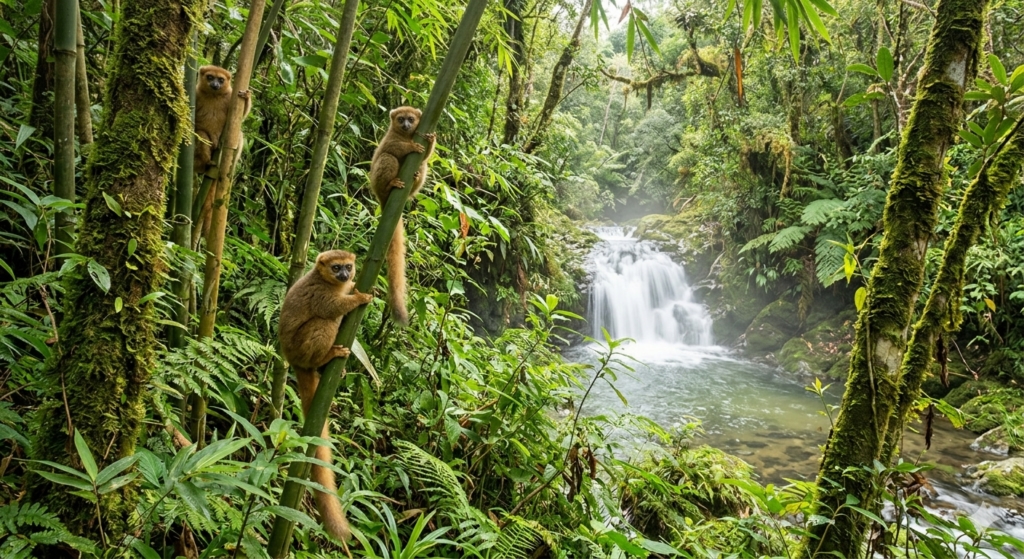
With the Madagascar tourist eVisa for Slovenia travelers, tourists can experience popular destinations such as tropical beaches, rainforests, and national parks filled with rare wildlife like lemurs. The Madagascar tourist eVisa for Slovenia travelers is designed to support smooth entry for leisure visits, provided travelers meet basic requirements like a valid passport and return ticket. This system helps Slovenian visitors enjoy a hassle-free journey while discovering Madagascar’s natural beauty and cultural richness.
What are the Types of Madagascar eVisa Available for Slovenians?
Slovenian travelers can choose from three primary durations based on their itinerary. Whether you are popping in for a quick island-hop or a cross-country trek, there is a specific category for you.

What are the Eligibility Requirements for a Madagascar eVisa?
To apply for a Madagascar eVisa, travelers must meet certain basic eligibility conditions that ensure smooth entry into the country for tourism or short-term visits. The requirements are generally simple and designed for international visitors who plan to stay for a limited duration.
- Valid Passport: Applicants must hold a passport valid for at least 6 months from the date of arrival in Madagascar.
- Purpose of Visit: The eVisa is mainly issued for tourism, leisure, or short-term travel purposes.
- Return or Onward Ticket: Travelers may be required to show proof of return or onward travel arrangements.
- Accommodation Proof: Confirmation of hotel booking or details of where the traveler will stay in Madagascar.
- Sufficient Funds: Proof of adequate financial means to cover the stay in Madagascar.
- No Criminal Record Risk: Applicants should not pose any security or immigration risk as per Madagascar entry rules.
- Valid Travel Documents: Supporting documents like passport scans and travel itinerary may be required during application.
These eligibility requirements help ensure that travelers can enter Madagascar smoothly and enjoy a hassle-free short stay under the eVisa system.
- Madagascar visa requirements for Solomon Islands passport holders
- Apply Madagascar eVisa from South Africa Citizens
- Madagascar tourist eVisa for South Georgia and the South Sandwich Islands citizens
- Madagascar online visa application for South Ossetia travelers
- Madagascar eVisa process for Spain passport holders
Which Documents are Required for the Madagascar Visa Application?
Preparing your documents beforehand ensures a smooth application. Unlike traditional visas that require piles of paperwork, the Madagascar eVisa requirements are minimal for Slovenians:
- Original Passport: Must be valid for at least 6 months beyond your arrival date and have at least two blank pages.
What is the Processing Time for a Madagascar eVisa?
The processing time for a Madagascar eVisa depends on the service option selected and how quickly the application is reviewed by immigration authorities. Through the Madagascar eVisa, applicants can choose different processing speeds based on their travel urgency, ranging from standard to super rush services. Standard processing usually takes around 4–6 working days and is suitable for planned trips with enough preparation time. Rush processing is faster, generally taking 2–4 working days for last-minute travel needs, while super rush processing can be completed in about 1–3 working days for emergency situations. However, delays may still occur due to public holidays, technical checks, or incomplete documentation, so it is always recommended to apply early before your departure date.
How to Apply for the Madagascar eVisa Online?
The application process is straightforward and can be completed in about 10 minutes. Follow these steps:
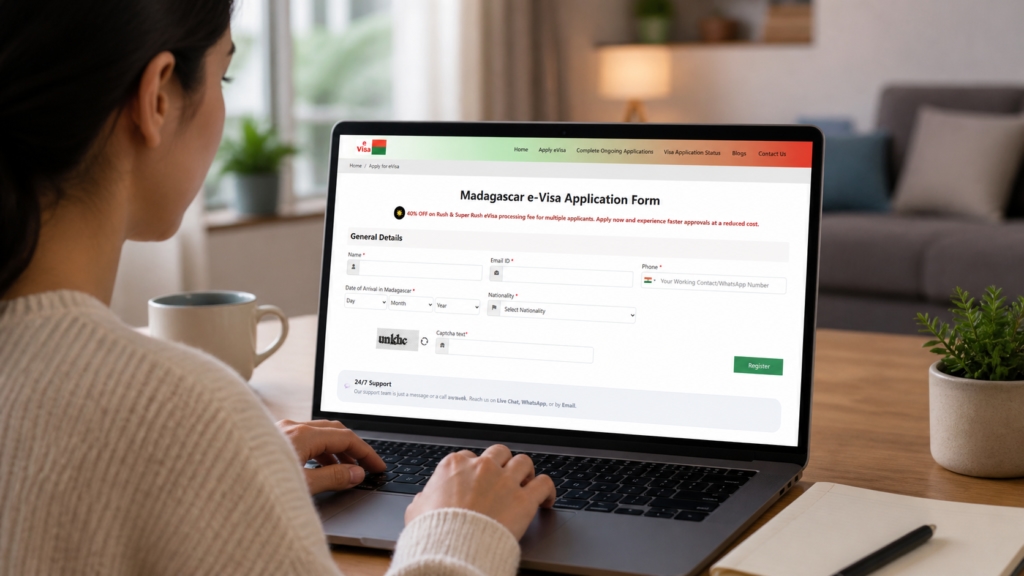
- Fill the Online Form: Provide your personal details, passport info, and travel dates.
- Upload Documents: Attach a scan of your passport's bio page.
- Pay the Fee: Use a secure payment gateway to cover the service and visa fees.
- Receive Authorization: Check your inbox for the "Landing Authorization" document.
- Print & Fly: You must print this document to present to the immigration officer upon arrival.
Are Service Passport Holders Eligible for Madagascar eVisa Entry?
Service passport holders are not always eligible to use the standard Madagascar eVisa system, as this platform is mainly designed for ordinary passport holders traveling for tourism or short visits. In many cases, travelers holding Service or Diplomatic passports are subject to special government agreements, which may allow visa-free entry, fee exemptions, or require a separate visa category. Under the Madagascar eVisa rules, these travelers are usually advised not to apply through the regular tourist portal and instead verify their status before travel. If you are using a service passport, you may need to obtain a “Courtesy Visa” or follow a separate diplomatic procedure through official government channels. Therefore, eligibility depends on bilateral agreements between countries, and confirmation from the relevant authorities is always required before planning your trip.
Is a Return Ticket Mandatory for Madagascar eVisa Approval?
Yes, a return or onward ticket is a mandatory requirement. Immigration officers at the airport will often ask to see proof of your departure. This ensures that Slovenian tourists do not intend to overstay their welcome. Make sure your flight confirmation clearly shows your name and a departure date that falls within the validity of your selected visa type.
How are Entry and Exit Stamps Issued for Madagascar eVisa Travelers?
Entry and exit stamps for Madagascar eVisa travelers are issued by immigration authorities to officially record when you enter and leave the country. These stamps are an important part of your travel history and visa compliance under the Madagascar eVisa system.
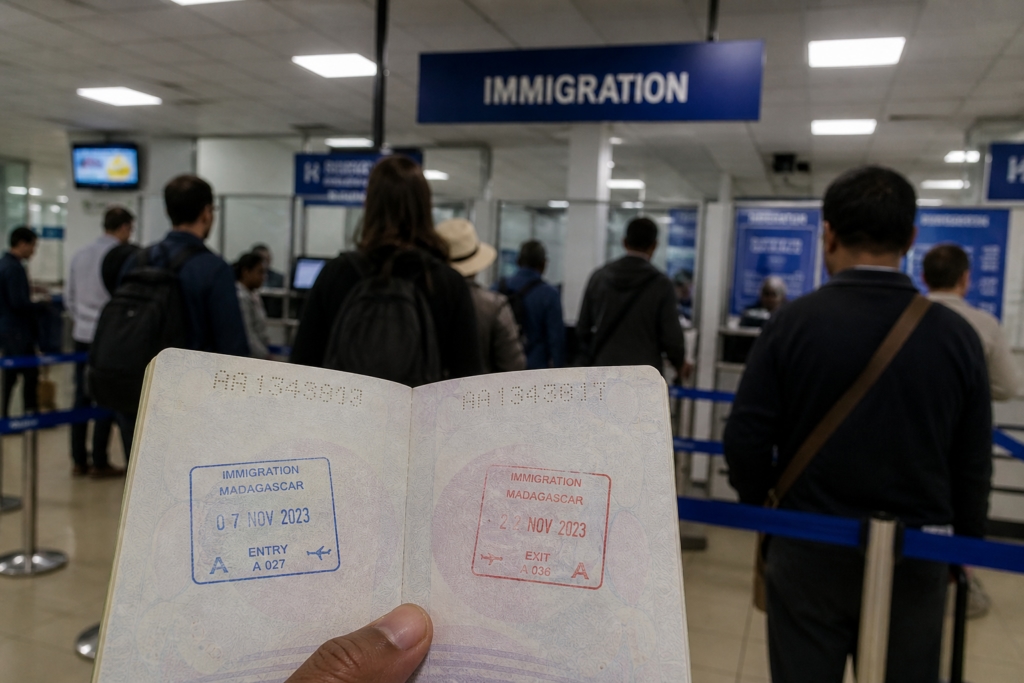
- Entry stamp on arrival: When you land at Ivato International Airport, immigration officers place an entry stamp in your passport showing the date of arrival and permitted stay duration.
- Exit stamp on departure: When leaving Madagascar, immigration officials add an exit stamp confirming the date you departed the country.
- Visa verification: Stamps help verify that your stay matches the validity of your eVisa and allowed duration.
- Record of stay: These stamps act as official proof of legal entry and exit for future travel or visa applications.
- Immigration control: Authorities use stamps to track overstays and ensure compliance with visa rules.
What Happens if I Overstay My Madagascar eVisa by a Few Hours?
Madagascar takes immigration laws seriously. Even an overstay of a few hours can lead to:
- Fines: Calculated based on the number of days overstayed.
- Administrative Delays: You may be detained at the airport and miss your flight while the paperwork is sorted.
- Future Bans: A record of overstaying can make it very difficult to get a visa for Madagascar (or even other countries) in the future. If you anticipate a delay, it is always better to apply for an extension at the immigration office in Antananarivo before your visa expires.
What Currency Conversion Charges Apply in Madagascar for Tourists?
Currency conversion charges in Madagascar for tourists depend on banks, exchange counters, and payment methods used during travel. These charges apply when foreign money is exchanged into Malagasy Ariary or when card payments are processed in foreign currency.
- Bank conversion fees: When using international debit or credit cards, banks may charge a foreign transaction fee plus currency conversion markup.
- ATM withdrawal charges: Using ATMs in Madagascar may include local ATM fees and additional charges from your home bank.
- Exchange counter rates: Money exchange services may apply service fees or offer slightly lower exchange rates than the market rate.
- Card payment markup: Hotels, restaurants, and shops may add a small percentage fee for converting foreign currency payments.
- Dynamic currency conversion (DCC): Some merchants may offer to charge in your home currency, but this often includes higher hidden conversion costs.
What are the Top Things to Do in Madagascar with a Tourist eVisa?
Once your visa is sorted, the real fun begins. Here are the "must-do" experiences for Slovenian adventurers:
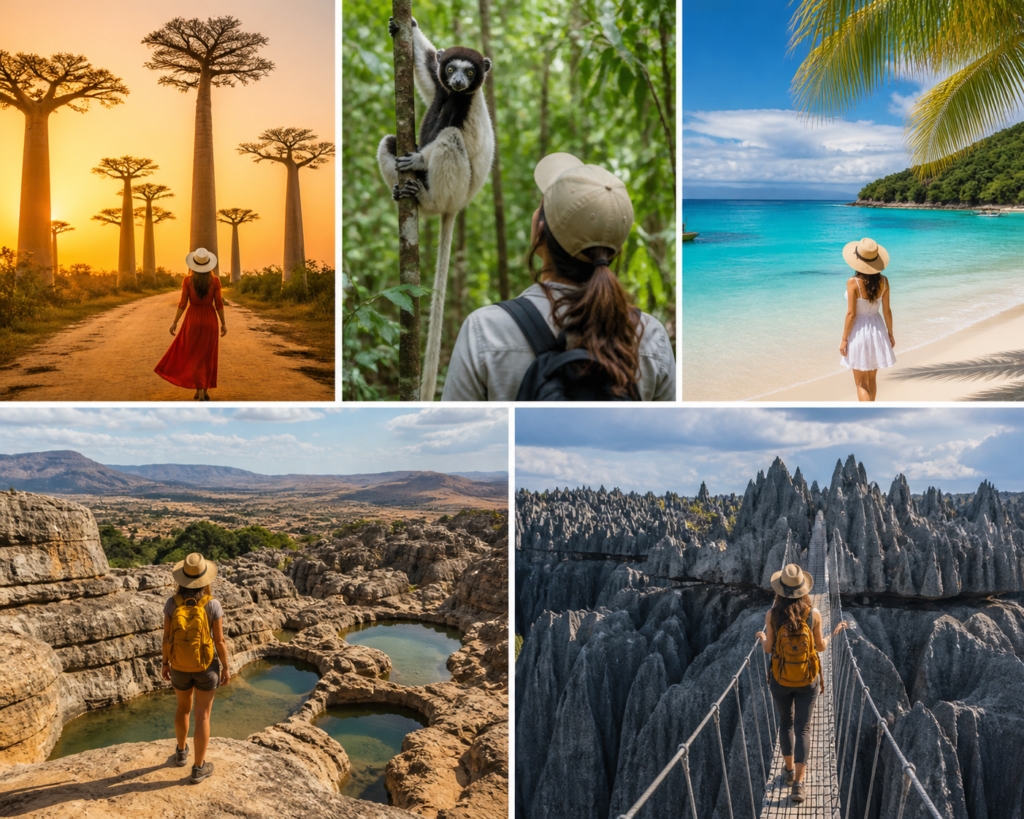
- Visit the Avenue of the Baobabs: The most iconic sunset spot in the country.
- Lemur Spotting in Andasibe: Listen to the haunting call of the Indri, the largest lemur species.
- Relax in Nosy Be: Dive into turquoise waters and enjoy world-class snorkeling.
- Hike Isalo National Park: Explore Jurassic-era canyons and natural stone pools.
- Explore the Tsingy de Bemaraha: Navigate the "forest of knives," a UNESCO World Heritage limestone formation.
Conclusion:
Traveling from Slovenia to Madagascar requires careful planning, but the eVisa process removes the biggest hurdle. By securing your landing authorization in advance and ensuring your passport has the required six months of validity, you set the stage for a hassle-free entry. Madagascar is a land of incredible biodiversity and warm hospitality that rewards the prepared traveler. Keep your documents printed, carry sufficient cash in Euros for local exchange, and respect the local immigration laws to ensure your island getaway is nothing short of magical. Safe travels to the "Eighth Continent!"
Comments