How EU Citizens Can Apply for a Djibouti e-Visa Online
A visit to the Horn of Africa is a promising experience to many European travelers. Nevertheless, you have to overcome the salt-crusted beaches of Lake Assal and even swim together with whale sharks in the Gulf of Tadjoura before you can make it through the entry requirements. This is a comprehensive guide that gives the EU citizens all the information regarding the process of obtaining the Djibouti e-Visa, including the paperwork and local specifics.
Do EU Citizens Need a Visa for Djibouti?
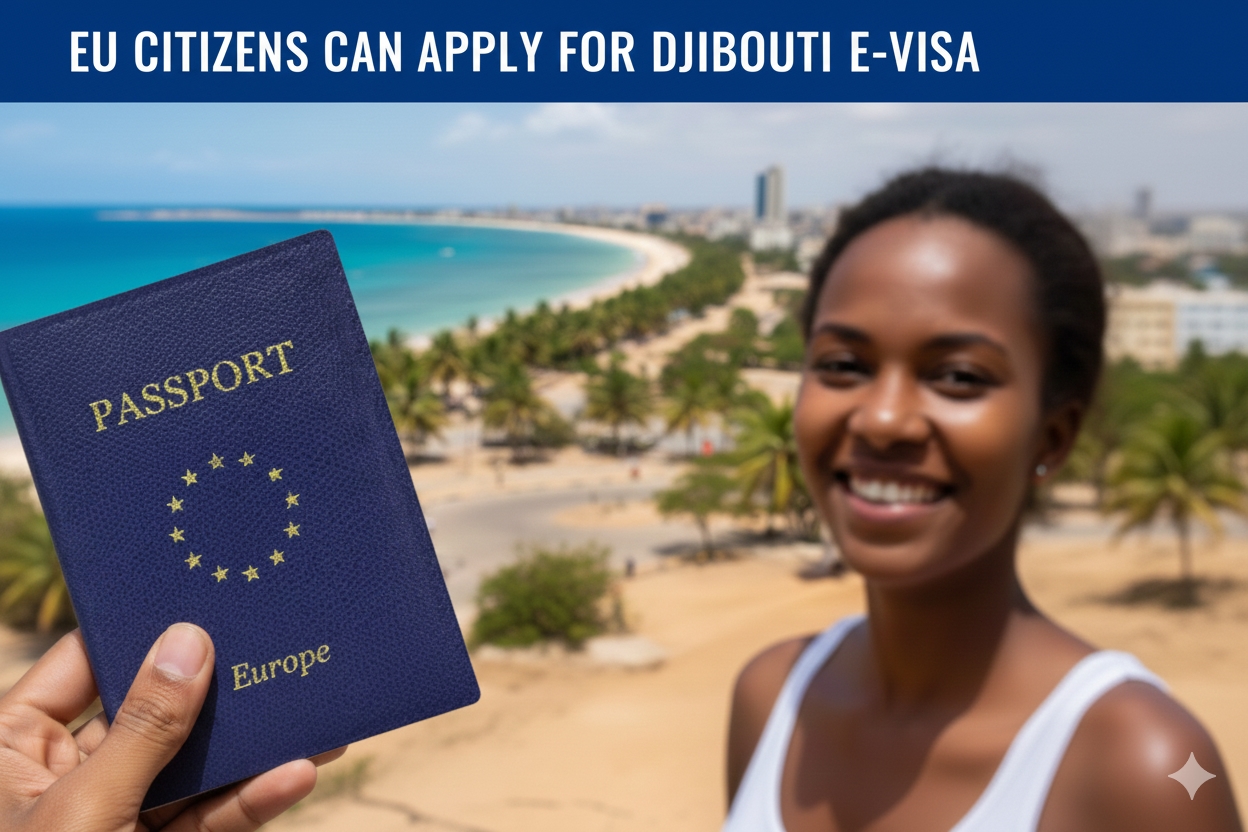
Yes, every citizen of the European Union (EU) should get a proper visa to enter Djibouti. Some of the travelers have utilized a Visa on Arrival, however due to the emphasis on electronic visa (e- Visa) system, the Djiboutian administration has shifted its interests to the system to ease immigration and to boost security. The best bet for a hassle free entry in Ambouli International Airport is to get your e- Visa before going to the airport.
What documents are needed to travel to the EU?
The EU citizens are required to fulfill certain requirements and submit some documents electronically to obtain a Djibouti e- Visa. You can avoid delays by ensuring that these are prepared before you embark on the application.
Mandatory Documents Include:
Valid Passport: Must be valid for at least 6 months from your intended date of arrival.
Recent Passport-Sized Photo: A clear, color photograph taken against a plain white background.
Confirmed Travel Itinerary: Proof of your flight bookings showing both arrival and departure details.
Proof of Accommodation: A hotel reservation confirmation or an official invitation letter from a host residing in Djibouti.
Valid Email Address: A functioning email account where you will receive your e-Visa approval PDF.
Payment Method: A valid credit or debit card to pay the processing fees online.
How do I apply for an eVisa for Djibouti?
The application process is entirely digital. Follow these steps to secure your travel authorization:
Create an Account: Register with your email and set up a secure password on the application platform.
Fill the Form: Enter your personal details, passport information, and travel dates exactly as they appear on your documents.
Upload Attachments: Attach your photo, passport scan, and accommodation proof.
Pay and Submit: Use your card to pay the government and processing fees.
What are the Available Types of Djibouti e-Visa?
Depending on the purpose of your trip, you can choose from the following categories:
Transit Visa: Ideal for travelers passing through Djibouti to another destination (usually valid for up to 3 days).
Tourism Visa: The most common choice for holidaymakers and explorers.
Family/Social Visit: For those visiting relatives or friends living in the country.
Business Visa: Specifically for attending meetings, conferences, or exploring trade opportunities.
How long does the Djibouti eVisa take?
Processing times vary based on how quickly you need your documents. The following tiers are generally available:
Standard Processing: 4 to 7 business days.
Rush Processing: 3 to 5 business days.
Super Rush Processing: 2 to 4 business days.
What are the Accepted Payment Methods for the Djibouti e-Visa?
When applying online, you must settle the fees using secure digital channels. Common methods include:
Credit or Debit Card: Visa, MasterCard, and American Express are widely accepted.
PayPal: Some specialized platforms offer PayPal for added security.
Bank Transfer: While rare and slower, some agencies may allow direct transfers for bulk or group applications.
What are the Entry and Exit Requirements for EU Passport Holders?
Beyond the e-Visa, there are several rules you must respect at the border:
Passport Validity: Your passport must have at least two blank pages for entry stamps.
Return Ticket: Immigration officers may ask to see proof of onward or return travel.
Sufficient Funds: While rarely enforced, you should be able to demonstrate you can support yourself financially during your stay.
Health and Vaccination: A Yellow Fever vaccination certificate is mandatory if you are arriving from a high-risk country.
Customs Regulations: You must declare large sums of cash or restricted items like drones or professional filming equipment.
What are the Best Travel Tips for EU Citizens Visiting Djibouti?
A trip to Djibouti as an EU citizen is the perfect mix of adventure and the adventure with roots in culture. In order to manoeuvre successfully in such a unique environment there is a need to balance logistical preparation with cultural sensitivity. These critical tips will ensure that you can fit and keep safe in the Horn of Africa whether you are dealing with the harsh desert climate or you are familiarizing yourself with the local cash-based society.
Currency: The Djiboutian Franc (DJF) is local, but USD and Euros are frequently accepted in major hotels.
Local Transport: Use registered green/white taxis in the city or arrange car rentals for desert excursions.
Local Laws & Customs: Respect the local culture by dressing modestly (covering shoulders and knees) and avoiding public consumption of alcohol outside licensed venues.
Is it Safe to Travel to Djibouti?
Djibouti is usually regarded as one of the safest places in East Africa because of its intense military presence of the international community and a stable government. Although serious crime is not a serious issue, the fact that the country is located in an unstable area implies that travelers must be highly aware of their surroundings. With these 11 practical tips on safety methods, you can experience the natural attractions in the country with a low risk of security problems.
Avoid Border Regions: Stay well away from the borders with Eritrea, Somalia, and the Ethiopian desert zones due to lingering tensions and landmine risks.
Strict Photography Rules: It is illegal to photograph military installations, government buildings, ports, airports, and bridges. Doing so can lead to arrest or confiscation of equipment.
Vigilance Against Petty Crime: Pickpocketing occurs in busy markets (like Ryad Market) and crowded minibuses. Use a money belt and keep bags in front of you.
No Night Driving: Outside of Djibouti City, roads are poorly lit and often filled with livestock or unlit trucks. Always reach your destination before sunset.
Modest Dress is Essential: As a Muslim-majority country, wearing clothing that covers shoulders and knees is respectful and helps avoid unwanted attention.
Respect Ramadan: If you visit during the holy month, do not eat, drink, or smoke in public during daylight hours to honor local traditions.
Water Safety: Tap water is not safe for consumption. Stick to bottled water, even for brushing your teeth, to avoid waterborne illnesses.
Hire Registered Guides: For trips to remote sites like Lake Abbe or the Danakil Depression, use certified local operators who know the terrain and security protocols.
Carry Sufficient Cash: While the capital has some ATMs, they can be unreliable. Most of the country operates on a cash-only basis (Djiboutian Francs or USD).
Avoid Large Gatherings: Spontaneous protests can occur. If you see a crowd forming, move in the opposite direction and stay updated via local news.
Health Preparedness: Malaria and dengue are present. Use high-quality insect repellent and sleep under treated nets in rural areas.
When is the Best Time to Visit Djibouti?
November February is ideal in the case of most EU travelers. Temperatures in these months are quite pleasant thus making it the best time to hike and do outdoor touring. June-August: It is hot in the deserts and you should expect sandstorms called the Khamsin.
How to Plan a Successful Family Trip to Djibouti?
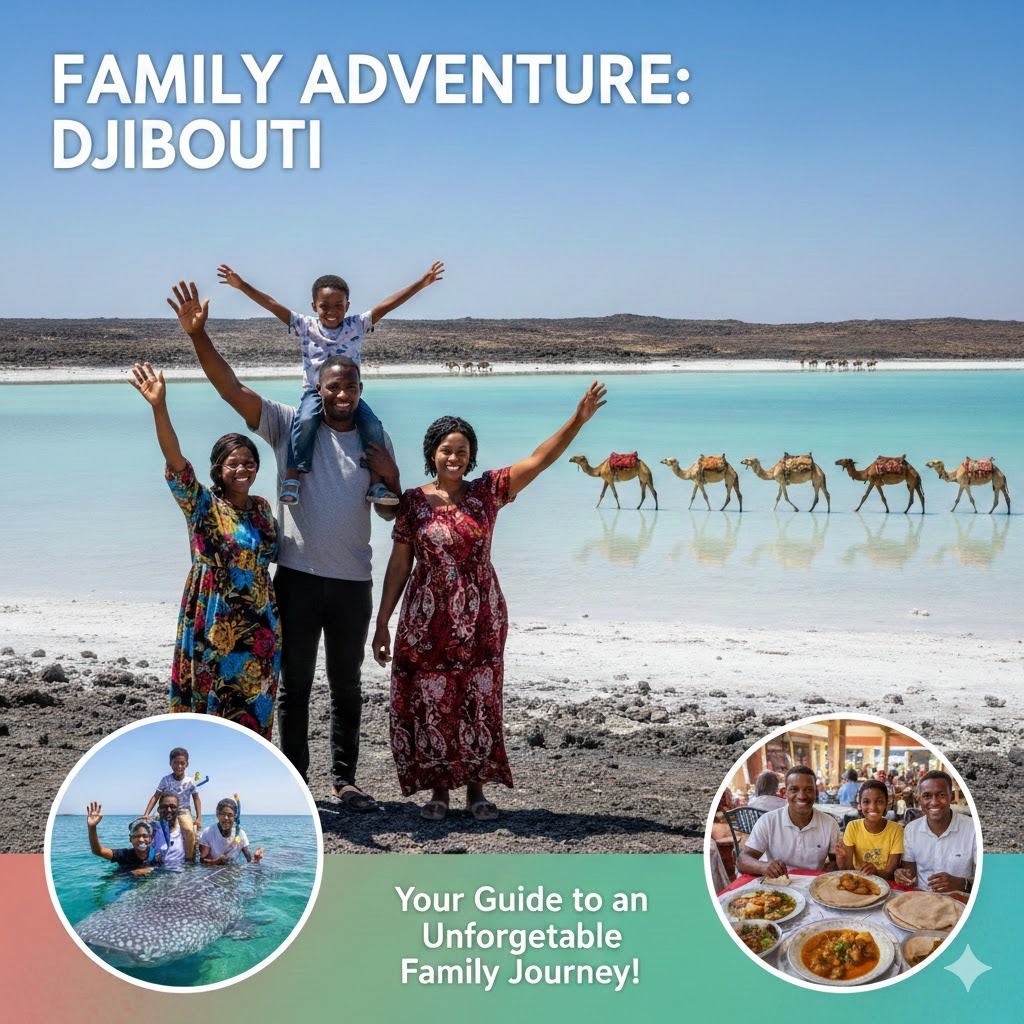
To organize a family trip to Djibouti, it is necessary to strike a balance between educational tourism and practical health and comfort. The country is hospitable; however, its rough nature and weather conditions require an organized strategy to make the country experience safe and enjoyable to younger tourists.
Health First: Ensure all family members are up to date on routine vaccinations and consult a doctor regarding malaria prophylaxis and typhoid boosters.
Sun Protection: The UV index is consistently high; pack high-SPF sunscreen, UV-protected clothing, and wide-brimmed hats for children.
Educational Stops: Visit the Deccan Wildlife Refuge to see cheetahs and zebras, or take a boat to Moucha Island for safe, calm-water snorkeling.
Hydration Routine: Carry double the amount of water you think you need, especially when heading to rural sites like Lake Assal.
Comfortable Transport: Book a private 4x4 vehicle with air conditioning for day trips to keep children comfortable during long desert drives.
What are the essentials to pack for a trip?
A visit to Djibouti is not a typical weekend trip and you are visiting one of the most Martian-like places on the planet. The salt flats which blind you with the light and the volcanic trails which can work through cheap shoes, what you pack in your suitcase can cause or ruin your trip. You must have a combination of equipment that can withstand the heat of the sun and at the same time be something respectable of the culture in a local town. This list is what you should go through before heading to the airport.
Lightweight Cotton Clothing: For breathability in the heat.
A Wide-Brimmed Hat and Sunglasses.
Sturdy Hiking Boots: For volcanic terrains.
Personal First-Aid Kit: Including rehydration salts and insect repellent.
Universal Power Adapter: Djibouti uses Type C and E plugs (standard European).
Portable Power Bank: Essential for long trips into the desert.
Conclusion
Applying to the Djibouti e-Visa among EU citizens is a straightforward online procedure that opens up one of the most diverse sceneries in Africa. With advanced preparations of your documents, observing the local traditions, and scheduling your trip in the colder seasons, you will be able to make your visits safe and unforgettable. It is the first thing to have your e- Visa packed whether you are going there to do business or to see the flamingos of lake abbe; it will be one successful adventure.
You need to more information related to Djibouti eVisa:

Comments