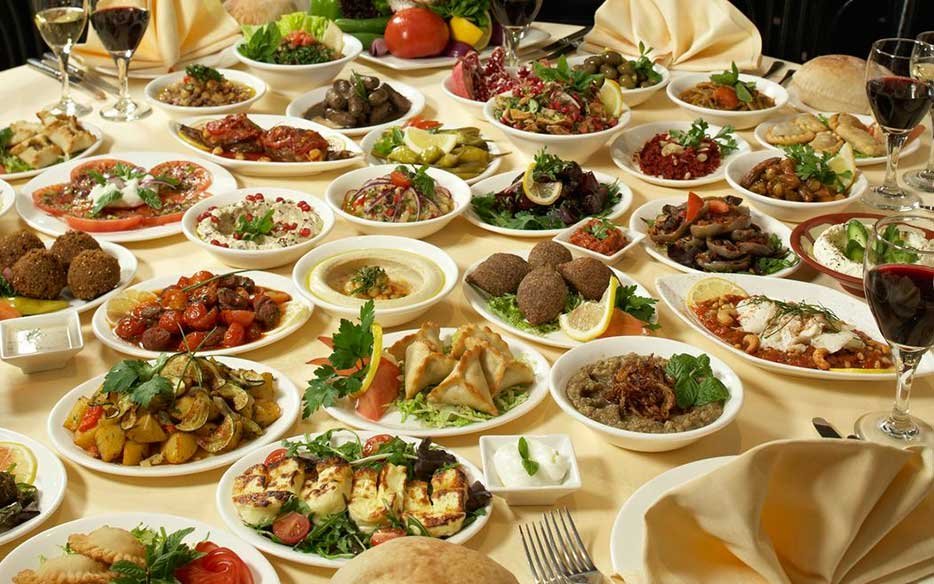
Lebanon is famous for its flavorful cuisine, fresh ingredients, and welcoming culture. From delicious mezze and freshly baked bread to traditional grilled meats and delightful desserts, every meal offers an opportunity to experience the country's rich heritage. However, what makes the Best Lebanese Food In Lebanon truly memorable is not just the taste of the dishes but also the hospitality that surrounds them.
Lebanese hospitality is built on generosity, warmth, and the joy of sharing food with others. Whether you are visiting a family home, enjoying a meal at a traditional restaurant, or exploring local food markets, you will discover how food brings people together. Understanding this connection between cuisine and hospitality reveals why Lebanese dining is such a special experience.
Best Lebanese Food In Lebanon Cultural Importance of Lebanese Hospitality
Hospitality holds an important place in Lebanese culture. Welcoming guests, offering refreshments, and sharing meals are meaningful traditions that reflect generosity and respect.
Food often becomes the center of family gatherings, celebrations, and friendly conversations. Hosts may prepare several dishes so guests can enjoy different flavors and feel comfortable at the table.
This welcoming approach extends to restaurants, where attentive service and a friendly atmosphere help diners feel at home. The experience of enjoying Best Lebanese Food In Lebanon is therefore about more than satisfying hunger; it is also about connecting with people and appreciating local traditions.
How Traditional Mezze Brings People Together
Mezze is one of the most recognizable features of Lebanese dining. These small dishes are served together, encouraging everyone to share food and discover different flavors.
A traditional mezze spread may include hummus, moutabal, tabbouleh, fattoush, olives, pickles, stuffed grape leaves, and warm bread.
The variety makes the meal interactive and enjoyable. Guests can sample different dishes, exchange recommendations, and discover new favorites while spending time together.
The Best Lebanese Food In Lebanon often begins with mezze because this tradition reflects the country's approach to hospitality: providing variety, encouraging conversation, and making everyone feel included.
Fresh Ingredients That Express Care and Generosity
Fresh ingredients are central to Lebanese cooking. Olive oil, lemon juice, garlic, parsley, mint, tomatoes, cucumbers, chickpeas, and aromatic spices contribute to the distinctive flavors of traditional dishes.
Preparing food with attention to freshness and flavor is one way Lebanese hosts demonstrate care for their guests. Salads are often prepared with fresh herbs, dips are carefully seasoned, and grilled dishes are cooked to highlight their natural flavors.
Popular examples include tabbouleh, a parsley-based salad, and hummus, a creamy chickpea and tahini dip. These dishes demonstrate how simple ingredients can create satisfying meals when prepared thoughtfully.
This commitment to quality helps make Lebanese food appealing to visitors who appreciate fresh, flavorful cooking.
Family Gatherings and the Tradition of Sharing Meals
Family is an important part of Lebanese food culture. Meals provide opportunities for relatives to reconnect, celebrate milestones, and enjoy one another's company.
Traditional family dining often includes several dishes placed at the center of the table. Everyone can share the food, try different combinations, and participate in the meal together.
Special occasions may feature grilled meats, rice dishes, traditional salads, savory pastries, and desserts. The preparation and presentation of food become part of the celebration itself.
For visitors, experiencing this communal dining style offers insight into the social traditions that make Lebanese hospitality distinctive.
The Role of Lebanese Restaurants in Creating Memorable Experiences
Restaurants help introduce Lebanese hospitality to visitors from different backgrounds. Beyond preparing traditional recipes, they create environments where people can relax, explore local flavors, and enjoy attentive service.
The Best Lebanese Food In Lebanon can be found in many settings, from neighborhood eateries and traditional family restaurants to contemporary dining establishments.
A welcoming restaurant typically offers comfortable seating, helpful staff, a clean environment, and a menu that explains traditional dishes. Staff members who recommend specialties or help guests understand unfamiliar ingredients can make the experience more enjoyable.
These small details help transform a meal into a memorable introduction to Lebanese food culture.
Popular Lebanese Dishes That Make Every Meal Special
Lebanese cuisine offers a wide selection of dishes that reflect its hospitality and culinary heritage.
- Hummus: A creamy chickpea dip prepared with tahini, lemon juice, and garlic.
- Tabbouleh: A refreshing salad made with parsley, tomatoes, mint, bulgur, and olive oil.
- Fattoush: A colorful vegetable salad featuring toasted or fried bread and a tangy dressing.
- Manakish: Traditional flatbread topped with za'atar, cheese, or other ingredients.
- Kibbeh: A classic preparation combining bulgur and minced meat in different regional styles.
- Mixed grills: A selection of grilled meats often accompanied by bread, salads, and dips.
- Knafeh: A traditional dessert featuring pastry and a cheese-based or other suitable filling, finished with fragrant syrup.
These dishes are often served in ways that encourage sharing, making them ideal for family meals and gatherings with friends.
Lebanese Desserts and the Sweetness of Hospitality
Desserts are another important part of Lebanese hospitality. Offering something sweet after a meal is a familiar way to extend a warm welcome and encourage guests to linger.
Knafeh is a popular choice, combining pastry with a soft filling and fragrant syrup. Maamoul, a traditional filled cookie, commonly contains dates or nuts. Baklava is also enjoyed for its layers of pastry, nuts, and syrup.
Lebanese coffee and other refreshments may accompany sweets, creating an opportunity for conversation after the main meal.
These traditions show how hospitality continues beyond the dinner table, allowing people to enjoy one another's company a little longer.
Experience the Best Lebanese Food In Lebanon Through Local Traditions
Exploring different parts of Lebanon can reveal how hospitality and cuisine vary across communities.
Beirut offers a diverse restaurant scene, while Byblos combines its historic atmosphere with opportunities to enjoy traditional dishes. Tripoli is known for its culinary heritage and celebrated sweets, and mountain villages often showcase regional recipes and home-style cooking.
To make the most of your experience, ask local residents for recommendations, explore traditional bakeries, and try dishes that reflect the area's culinary identity.
Approaching each meal with curiosity helps you appreciate not only the food but also the stories, customs, and relationships behind it.
Frequently Asked Questions About the Best Lebanese Food In Lebanon
1. What makes Lebanese hospitality unique?
Lebanese hospitality emphasizes generosity, warmth, and sharing. Offering food, welcoming guests, and gathering around the table are important traditions that help people feel appreciated and included.
2. Which dishes should I try to experience Lebanese hospitality?
Start with hummus, tabbouleh, fattoush, and other mezze dishes. Then explore manakish, kibbeh, mixed grills, and traditional desserts such as knafeh.
3. Why is sharing food important in Lebanese culture?
Sharing food encourages conversation, strengthens family connections, and creates a welcoming atmosphere. Mezze and communal meals reflect these traditions particularly well.
4. Where can I experience authentic Lebanese hospitality?
Traditional restaurants, neighborhood bakeries, family-run eateries, and local gatherings offer opportunities to experience Lebanese hospitality. Beirut, Byblos, and Tripoli are also excellent places to explore local cuisine.
5. What makes the Best Lebanese Food In Lebanon memorable?
Fresh ingredients, traditional recipes, balanced flavors, and generous hospitality combine to create memorable meals. The social experience of sharing food is just as important as the dishes themselves.
Conclusion
The Best Lebanese Food In Lebanon offers more than exceptional flavors; it provides a meaningful connection to the country's traditions, culture, and welcoming spirit. From sharing mezze and enjoying family recipes to savoring traditional desserts, every meal can become an opportunity to connect with others.
Lebanese hospitality transforms dining into an experience built around generosity, conversation, and togetherness. Whether you visit a traditional restaurant, explore a local bakery, or share a meal with a Lebanese family, you can discover how food brings people closer and creates lasting memories.
Comments